 Digital Scoop India Official Platform of Digital Scoop India Featuring Latest & Best News #Articles #Bytes #Entertainment #DigitalScoopMagazine
Related Articles



For a long time, electric three-wheelers in India were boxed into one role—passenger autos. Useful, yes. Profitable, yes. But limited.
Then something interesting happened.
Entrepreneurs, fleet owners, and small businessmen started asking a different question:
“If this vehicle is electric and affordable to run, why should it only carry people?”
That question quietly changed everything.
Today, thanks to purpose-built customization, electric three-wheelers are no longer just transport tools. They’ve become business platforms, each designed for one clear job. And companies like Luxus Green Mobility are at the center of this shift, building EVs around business needs instead of forcing businesses to adjust to vehicles.
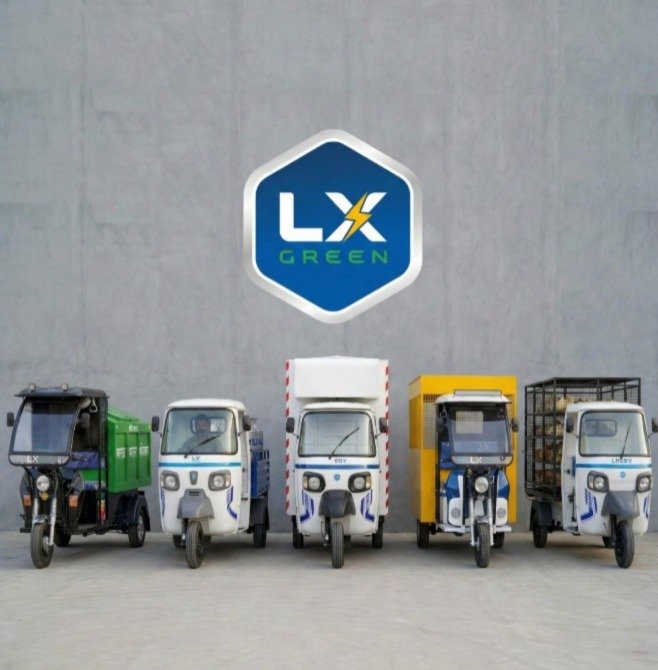
Let’s look at the seven new business categories emerging beyond passenger autos and why they matter.
- School & Neighbourhood Transport Vehicles
Short-distance school transport is a daily, predictable requirement, especially in semi-urban and residential areas.
Custom electric school vans are now being designed with:
- Controlled speed limits
- Safer seating layouts
- Quiet operation
- Lower step-in height for children
For operators, the appeal is simple—fixed routes, steady monthly income, and very low running costs. For parents, quieter and cleaner transport builds trust.
This isn’t replacing big buses. It’s solving the last-mile school problem.
- Milk & Dairy Distribution EVs
Milk delivery doesn’t need speed. It needs discipline.
Electric dairy vans are being customized with insulated storage, bottle racks, digital weighing, and UPI payment systems. Operators charge overnight and start routes before sunrise with no fuel hunt, no noise, and no surprise expenses.
For dairy businesses working on thin margins, predictable daily cost is the biggest advantage. Electric delivers exactly that.
- Poultry Transport (Chicken Vans)
Important clarification—this category is live poultry transport, not meat sales.
Custom electric poultry vans are designed to move chickens from farms to markets or processing centers with:
- Ventilated compartments
- Reduced vibration and noise
- Easy cleaning layouts
- Safer loading and unloading
Fuel vehicles create heat, noise, and stress for livestock. Electric vans reduce all three while cutting daily operating costs, making them practical for route-based poultry traders.
- Mobile Retail & Local Commerce Vans
Small retail businesses are under pressure from rising rents and low footfall.
Electric retail vans flip that equation. These vehicles are customized with display racks, secure storage, branding panels, and lighting—turning them into moving shops.
Examples already in use include
- Grocery and vegetable vans
- Hardware and stationery sellers
- Seasonal retail and pop-up stores
Instead of waiting for customers, the shop goes directly to neighborhoods.
- Beauty, Cosmetic & Personal Care Vans
One of the fastest-growing categories especially among women entrepreneurs.
Custom cosmetic and beauty EVs are built with mirrors, lighting, storage, power points, and hygienic workspaces. These vans operate in housing societies, at events, and at weekly markets.
The model removes two big barriers at once: high rent and fixed location dependency. Many owners start with one unit and expand once demand becomes predictable.
- Utility & Municipal Service EVs
Electric three-wheelers are increasingly being adapted for daily utility work such as:
- Waste collection
- Water supply
- Street-level maintenance
- Campus and industrial logistics
These applications benefit most from electric because routes are fixed, distances are short, and downtime must be minimal. Lower noise and zero tailpipe emissions are added advantages in dense areas.
This category may not look glamorous—but it’s stable, repeat-driven, and scalable.
- Business-Specific Custom EVs (Built to Order)
This is where customization truly shows its strength.
Instead of forcing one standard vehicle into every role, EVs are now being designed around a single business purpose—whether that’s laundry service, mobile repair units, pet services, or specialized delivery.
The logic is simple:
When the vehicle fits the job perfectly, efficiency improves, waste reduces, and earnings stabilise.
Why Custom EVs Are Unlocking These Categories
Electric power alone didn’t create these opportunities. Customization did.
Purpose-built EVs offer:
- Lower daily operating costs (often ₹50–80 for charging)
- Minimal maintenance
- No rent pressure
- Predictable expenses
- Flexible routes
For small businesses and first-time entrepreneurs, this predictability reduces risk—and risk is often what stops people from starting.
Why This Shift Is Happening Now
Timing matters.
Charging infrastructure is expanding beyond metros. Financing options are easier. Customers value convenience more than ever. And competition in many of these categories is still low.
Early adopters aren’t chasing trends. They’re locking in routes, customers, and local trust.
The Bigger Picture
Passenger autos were just the entry point.
What’s emerging now is a new way of thinking about mobility—where vehicles are designed as income tools, not generic transport.
Luxus Green’s approach of building custom EVs around real business needs has quietly helped create these seven categories—and more are coming.
The real question for entrepreneurs isn’t “Which EV should I buy?”
It’s “What job do I want this vehicle to do every single day?”
Once that answer is clear, the vehicle stops being an expense. It becomes the business itself.
Call: 1800 891 2688
Visit: www.luxusgreen.com
Manufacturing: Bilaspur (Chhattisgarh) | Faridabad (Haryana)
Social Media : Facebook | Instagram | Youtube“आप सोfचए, हम बनाएँगे“